
Booking Open Now
Spring 2026
Art and Power in the Tudor Period (In-Person, Online and Replay)
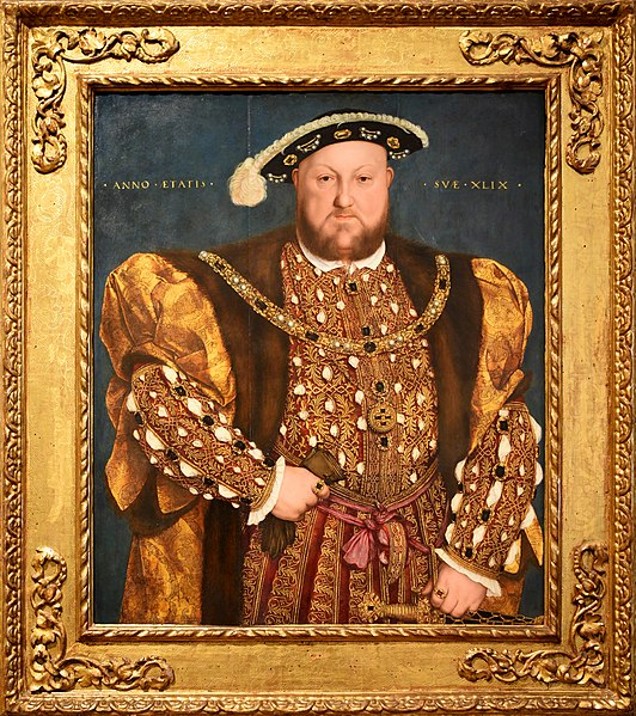
Description: This course explores how visual and material culture shaped, expressed, and contested political power in England from the accession of Henry VII in 1485 to the death of Elizabeth I in 1603. Through close study of portraits, palace architecture, tapestries, printed propaganda, religious objects, and courtly performance, students will examine the mechanisms by which the Tudor monarchy and its courtiers constructed authority, negotiated identity, and managed public perception. Central to the course is the role of artists such as Hans Holbein, Nicholas Hilliard, and Anthonis Mor, whose works helped define new visual languages of rulership, diplomacy, and religious change. By situating artworks within the broader contexts of dynastic politics, the English Reformation, shifting gender dynamics, and evolving court culture, the course highlights how art functioned as a strategic tool for persuasion and power.
You can attend in-person, live online or catch up with the recordings which will remain available for two months after the end of the course.
Dates: 10 Wednesdays: 11.15 am to 1:15 pm – January 28th to April 8th (No class Mar 18)
Location: Newtownpark Pastoral Centre and Online
Fee: €220 for 10 weeks – Click here to Book
UCD: 19th Century French Art From Revolution to Impressionism (In-person only)
Description: Some of the most dramatic changes in western art happened in the 19th century in France, this course will follow this development through the history of the time and artist movements from the revolutionary zeal of Neoclassicism to the groundbreaking innovations of Impressionism. Starting with the impact of the French revolution the role that art plays in the formation of national identity will be examined, included close reading of famous paintings like Liberty Leading the People by Delacroix. The visible shift in subject matter style techniques and philosophies in this time period are unprecedented, from the cool idealism of Neo-Classicism through the often-tortured individualism of Romanticism to unflinching social commentary of Realism to the rebellious optic quality of Impressionism. At the beginning of this century the artworld in France and the careers of each artist were dominated by the annual Salon exhibition which had a tendency towards conservatism and by the end independent group exhibitions and a complete emphasis on individual artistic creation has emerged forever changing how we view art and the artists who create it. Inventions had a part to play from the railways to photography to resealable tubes for oil paints. This was a time to celebrate modernity for many while others lamented the lost of tradition, and many artists explore these themes and the contrasting, changing ideologies of the period. Some of the artist to be discussed include Jacques-Louis David, Eugène Delacroix, Théodore Géricault, Gustave Courbet, Rosa Bonheur, Jean-François Millet, Édouard Manet, Claude Monet, Berthe Morisot.
Dates: 8 Tuesdays: 2 to 4 pm – January 27th to March 24th (No class Mar 17)
Location: dlr Lexicon Library
Fee: €195 for 8 weeks – Click here to Book
Hugh Lane Gallery: Sir Hugh Lane (1875-1915) and the London Art Scene in the Early 20th Century (Online only)
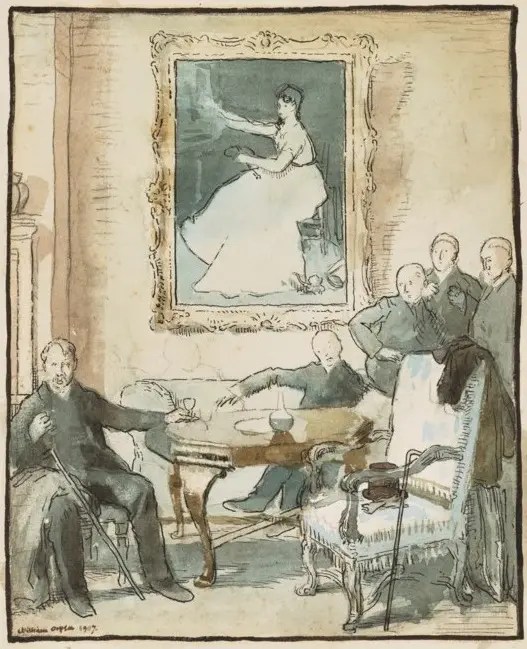
Description: This six week online art appreciation course will explore the London art scene during the early 20th century and the many Irish connections. We will look at the developments in art instigated by groups including the New English Art Club which included William Orpen as a member, and the Bloomsbury group of artists. We will delve into Hugh Lane’s career as an art dealer and as a promoter of Irish art with, for example, the 1904 Guildhall exhibition. The significance and subsequent controversy surrounding the Lane paintings will also be explored. Irish artists studying, living and working in London in the early years of the twentieth century will be discussed including John Lavery, Mainie Jellett, Evie Hone, Paul Henry, the Yeats family, Norah McGuinness and many more.
This six part art appreciation course will be taking place entirely online via Zoom and a Meeting ID will be sent in advance closer to the time to all enrolled.
Dates: 6 Thursdays: 2.30 to 4.30pm – January 29th to March 5th 2026
Location: Online
Fee: €65 for 6 Weeks – Click here to Book
National Gallery of Ireland: The Sublime and the Beautiful: Romanticism and Irish Art (Online and Replay)
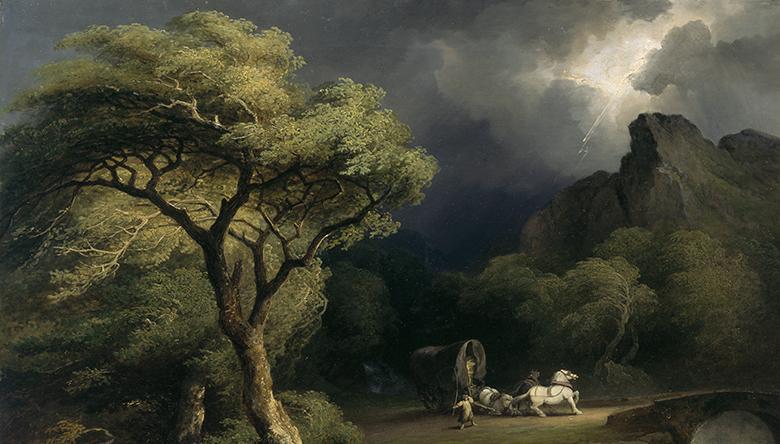
Image: Detail from James Arthur O’Connor, A Thunderstorm: the Frightened Wagoner, 1832. Image © National Gallery of Ireland.
Description: “It is beauty and ugliness. It is art for art’s sake, and art as an instrument of social salvation. It is strength and weakness, individualism and collectivism, purity and corruption, revolution and reaction, peace and war, love of life and love of death.” This definition of Romanticism expresses the contradictions to be found in a movement that revolves around the individual and each person’s own subjective experience. While it is not easily classified, and not a cohesive movement, there are some common threads to be found when exploring Romanticism in art. There is often a sense of the artist placing emotion and intuition before (or at least on an equal footing with) reason – almost as a reaction against aspects of the Enlightenment. This might also account for the belief that there is more to being human than the rational mind, there are areas of experience that cannot be easily explained or categorised.
Through close analysis of major works in painting, sculpture, and architecture—by artists such as Francisco Goya, Eugène Delacroix, J.M.W. Turner, Caspar David Friedrich, and Théodore Géricault—it is possible to examine how Romantic artists responded to the anxieties and aspirations of their time. The course situates Romanticism within its broader cultural context, considering intersections with literature, music, nationalism, and colonialism, and addressing how themes like individuality, the gothic, and the exotic shaped visual culture. There will be a focus on the impact of Romanticism on Irish art and discussion of the many excellent examples in the National Gallery of Ireland Collection.
Dates: 8 Tuesdays: 18.00 to 19.15 – March 24th to May 19th (No class April 7th)
Location: Online
Fee: €150 for 8 Weeks – Click here to Book
Online Pre-recorded
Brazilian Art: An Introduction
Join anytime!
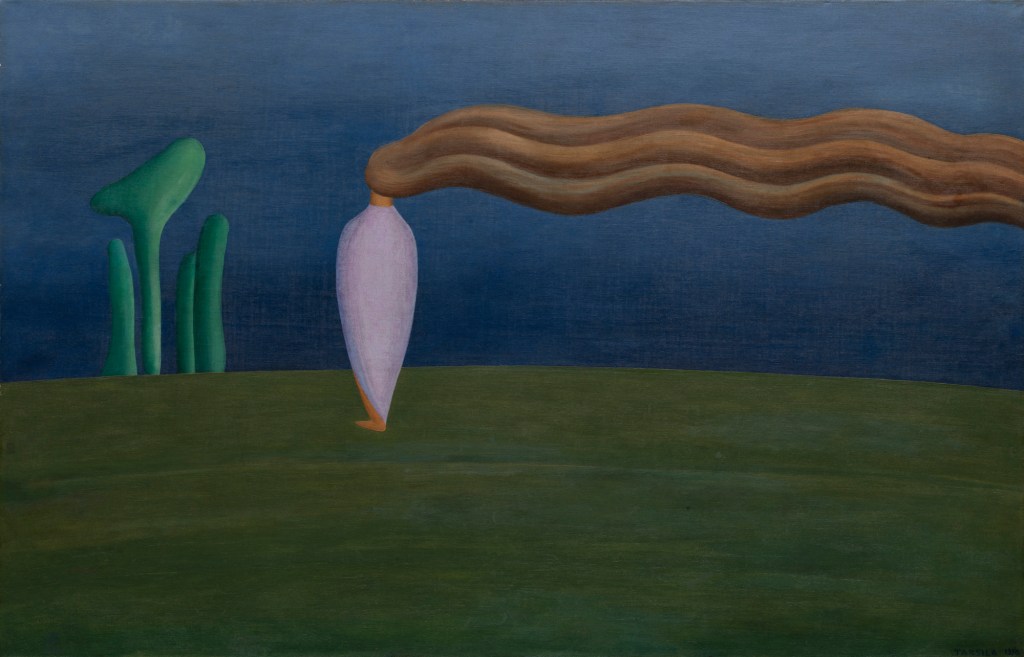
Description: The history of Brazilian art is a rich and diverse narrative that reflects the country’s complex social, cultural, and political evolution. From indigenous craftsmanship to contemporary works, Brazilian art embodies a unique fusion of indigenous, African, European, and later, global influences. This series will cover the Early Influences and Indigenous Art before the arrival of Europeans, when Brazil was home to numerous indigenous groups, each with distinct artistic expressions. These ranged from intricate pottery and textiles to body painting, carvings, and featherwork. Indigenous art was deeply connected to rituals, cosmology, and nature. We will also look at Colonial Art (1500-1822), Independence and Early Nationalism (1822-1889) and Modernism (1920s-1960s). A great tie in to the upcoming highly anticipated exhibition in London in 2025 Brasil! Brasil! The Birth of Modernism.
Fee: €100
Booking: Click here to book


 Jessica Fahy - Freelance Art Historian